
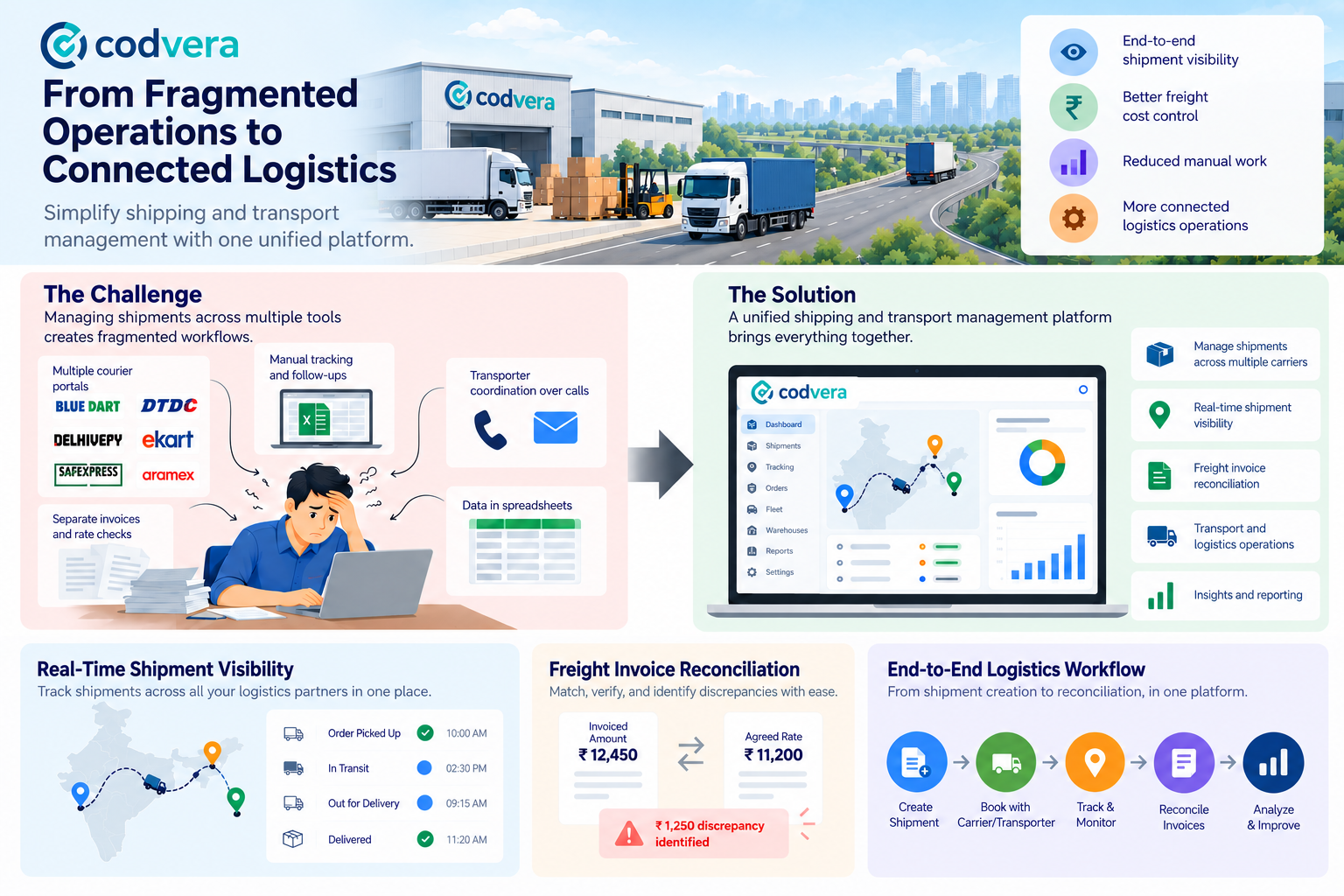
Shipping management software is becoming increasingly important for businesses that manage shipments across multiple courier partners, transporters, warehouses, and distribution networks. As shipping volumes grow, relying on separate courier portals, spreadsheets, and manual processes can make logistics operations difficult to manage. A shipment may be booked through one platform, tracked through another, coordinated with a transporter over email or phone, and reconciled against freight invoices using spreadsheets. Although each tool may serve a specific purpose, managing them separately creates disconnected workflows, increases administrative effort, and makes it harder to maintain a clear view of overall shipping operations. For manufacturers, distributors, e-commerce businesses, and small and medium-sized enterprises (SMEs), these challenges can affect delivery coordination, cost control, and operational efficiency. A unified shipping and transport management platform brings relevant shipping information and workflows together in one place. Instead of switching between multiple systems for routine tasks, businesses can work toward a more connected approach to shipment tracking, transport coordination, and freight cost management. This article explores why businesses need shipping management software, the challenges of fragmented logistics operations, and how a unified platform can help simplify shipping and transportation management.
Illustrative PTL workflow
A documented example of how shipment setup, booking, tracking, and freight charge review can connect.
Configure supported partners
Book shipments
Track deliveries
Review freight charges
Based on the workflow shown on the PTL product page; partner availability and capabilities depend on configuration.
The Problem with Fragmented Shipping and Transport Operations
Many businesses do not operate through a single shipping channel. They may work with several courier companies for parcel deliveries, transporters for larger consignments, and third-party logistics providers for different routes or service requirements.
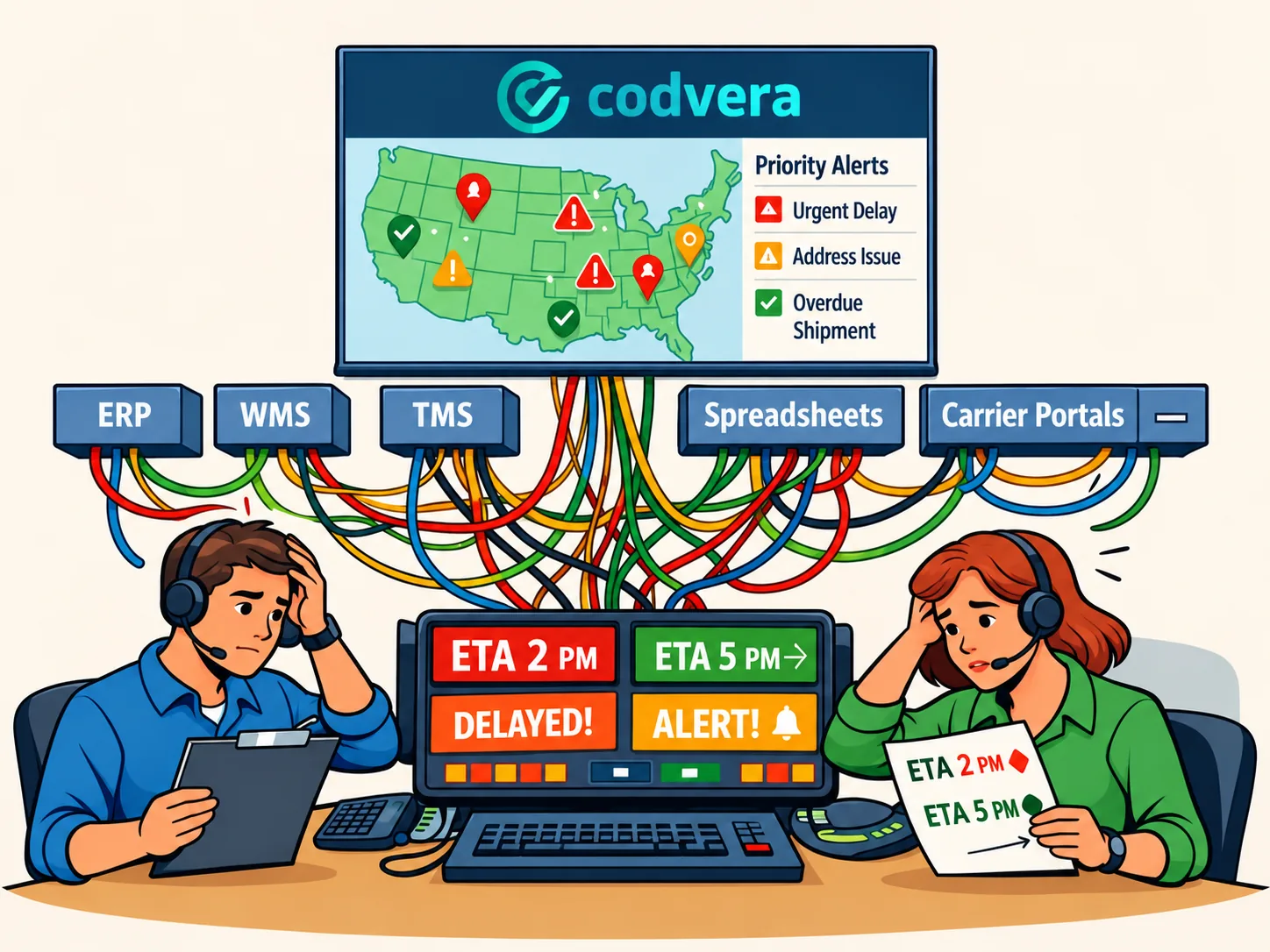
Each provider may have its own booking process, tracking portal, reporting format, and billing procedure.
Initially, managing these systems separately may seem manageable. However, as shipment volumes increase, the effort required to coordinate them can grow significantly.
Consider a business that dispatches hundreds of shipments every day. Its operations team may need to:
These activities consume time that could otherwise be spent improving delivery performance, resolving exceptions, and managing customer expectations.
Fragmented systems also make it difficult to establish a consistent view of logistics performance. When information is distributed across multiple platforms, identifying recurring delays, understanding shipping costs, and comparing service providers becomes more complicated.
The challenge is not simply the number of shipments a business handles. It is the effort required to manage information and processes across disconnected systems.
- Log in to different courier portals to check shipment statuses.
- Contact transporters to confirm vehicle or delivery updates.
- Maintain spreadsheets to track shipments across providers.
- Follow up manually on delayed or undelivered consignments.
- Collect invoices from different logistics partners.
- Compare billed freight charges against agreed rates.
- Prepare reports by consolidating data from multiple sources.
Key Takeaway
Custom software is built specifically for your business needs, giving you better control, flexibility, and long-term value.
What Is Shipping Management Software?
Shipping management software is a digital solution that helps businesses organize, monitor, and manage shipping-related activities through a centralized system.
Depending on the product, it may support shipment creation, carrier selection, booking, tracking, shipping documentation, delivery monitoring, and reporting.
More advanced or integrated platforms may also support freight cost analysis, invoice reconciliation, transporter coordination, and connections with enterprise resource planning (ERP) or order management systems.
The objective is to reduce repetitive manual work and make shipping information easier to access and manage.
Common capabilities of shipping management software include:
1. Shipment creation and management
Businesses can record shipment details, organize dispatch information, and manage shipping activities through a structured workflow.
2. Multi-carrier shipping coordination
Where supported integrations are available, businesses can work with multiple courier or logistics partners without treating each provider as an entirely separate operational process.
3. Centralized shipment tracking
Shipment information from connected providers can be brought into a common interface, reducing the need to visit individual tracking portals.
4. Delivery monitoring and exception management
Tracking information can help teams identify delayed shipments, failed delivery attempts, and other exceptions that require attention.
5. Reporting and analytics
Consolidated shipping data can help businesses review shipment volumes, delivery performance, logistics costs, and provider performance.
6. Freight invoice reconciliation
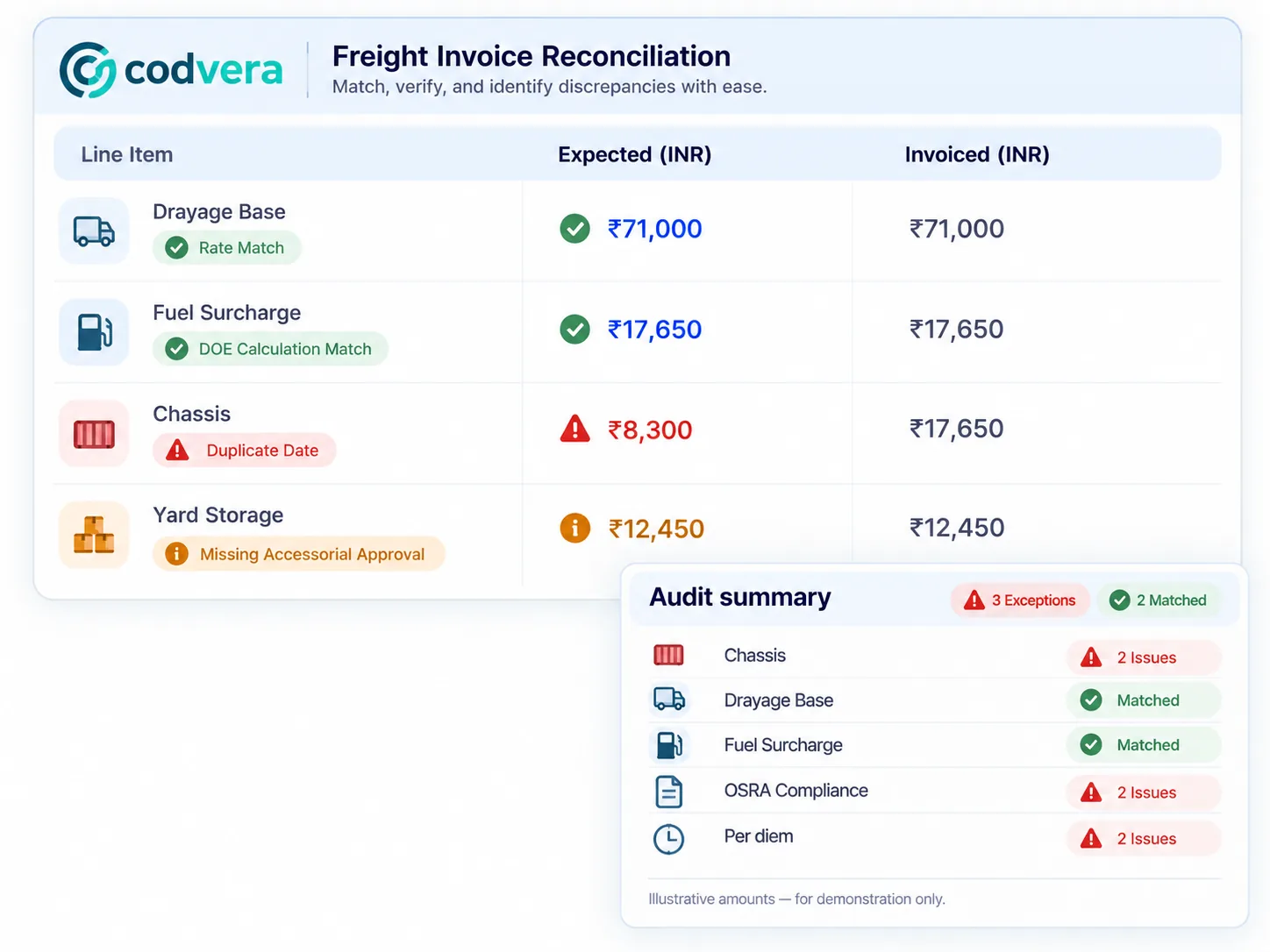
Platforms with reconciliation capabilities can help compare agreed freight charges with invoiced amounts, identify discrepancies, and reduce manual verification effort.
Not every shipping management solution includes all these capabilities. Businesses should evaluate software according to their shipping model, operational requirements, and integration needs.
Example
A logistics company may need a custom dashboard to track shipments in real time, automate updates, and integrate with multiple carriers.
Why Shipment Visibility Matters
Shipment visibility is one of the most important requirements for businesses managing logistics across multiple partners.
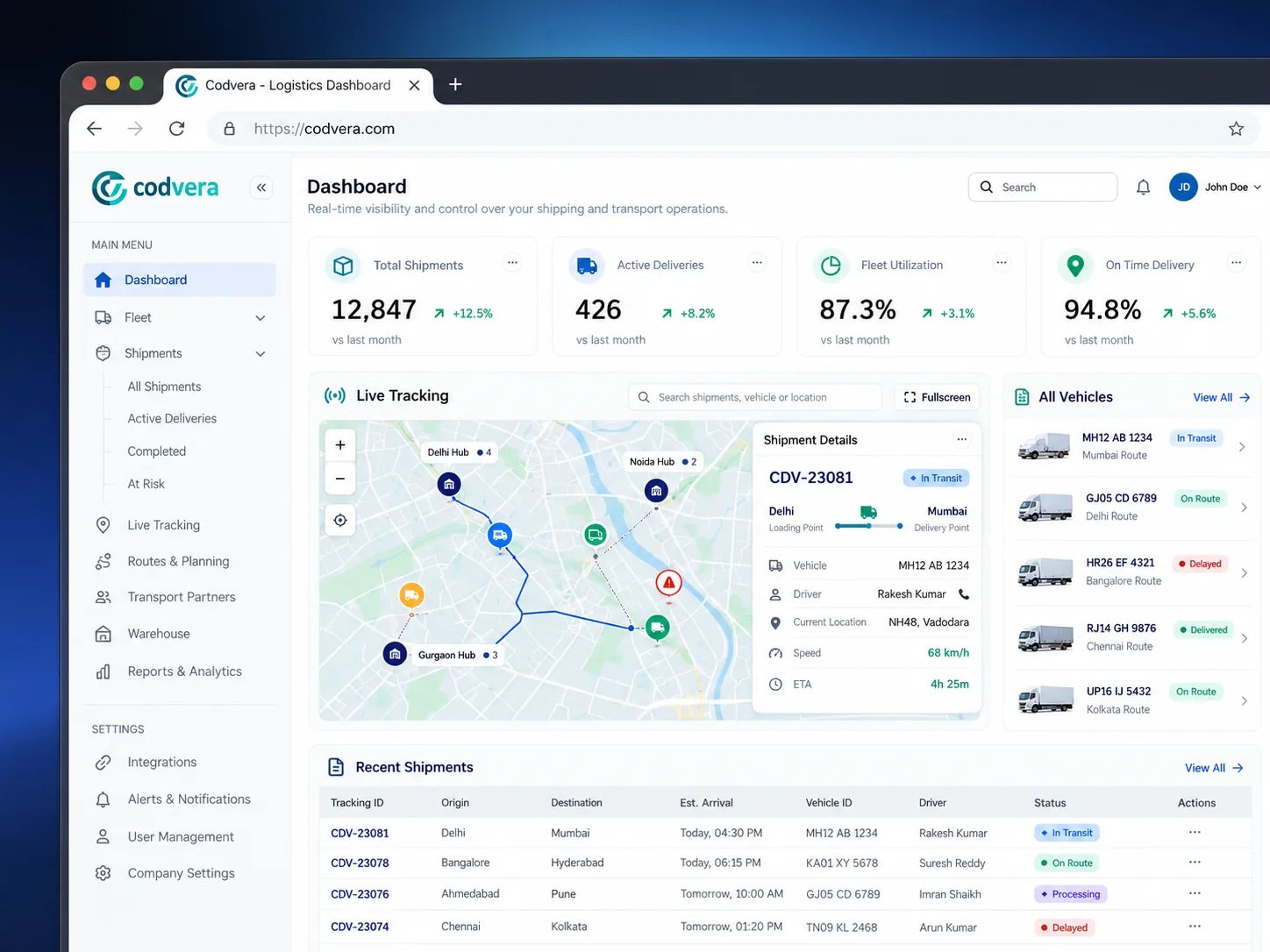
When shipment information is scattered across different systems, employees may need to check several portals or contact providers to determine whether consignments have been picked up, are in transit, have encountered delays, or have been delivered.
This creates additional coordination work and can delay responses to operational problems.
A centralized shipment visibility system helps bring tracking information from connected providers into a common view.
Better tracking across logistics partners
Businesses working with multiple courier companies and transporters can benefit from having shipment statuses accessible through a single interface, subject to provider integrations and available tracking data.
This reduces the need for repeated manual lookups and makes it easier for operations teams to review shipment progress.
Faster identification of delivery exceptions
A delayed shipment may require action before it affects a customer's plans or a downstream business operation.
When tracking information is easier to access, teams can identify exceptions and follow up with the relevant logistics partner more efficiently.
Improved coordination between teams
Customer support, warehouse operations, dispatch teams, and logistics managers often need access to the same shipment information.
Centralized visibility can reduce repeated requests for updates and help teams work from a more consistent view of shipment progress.
More informed operational decisions
Historical tracking information can help businesses identify recurring delivery problems, evaluate service providers, and understand where improvements may be needed.
Shipment visibility does not eliminate delays or guarantee accurate tracking. Its value comes from making available information easier to access and act upon.
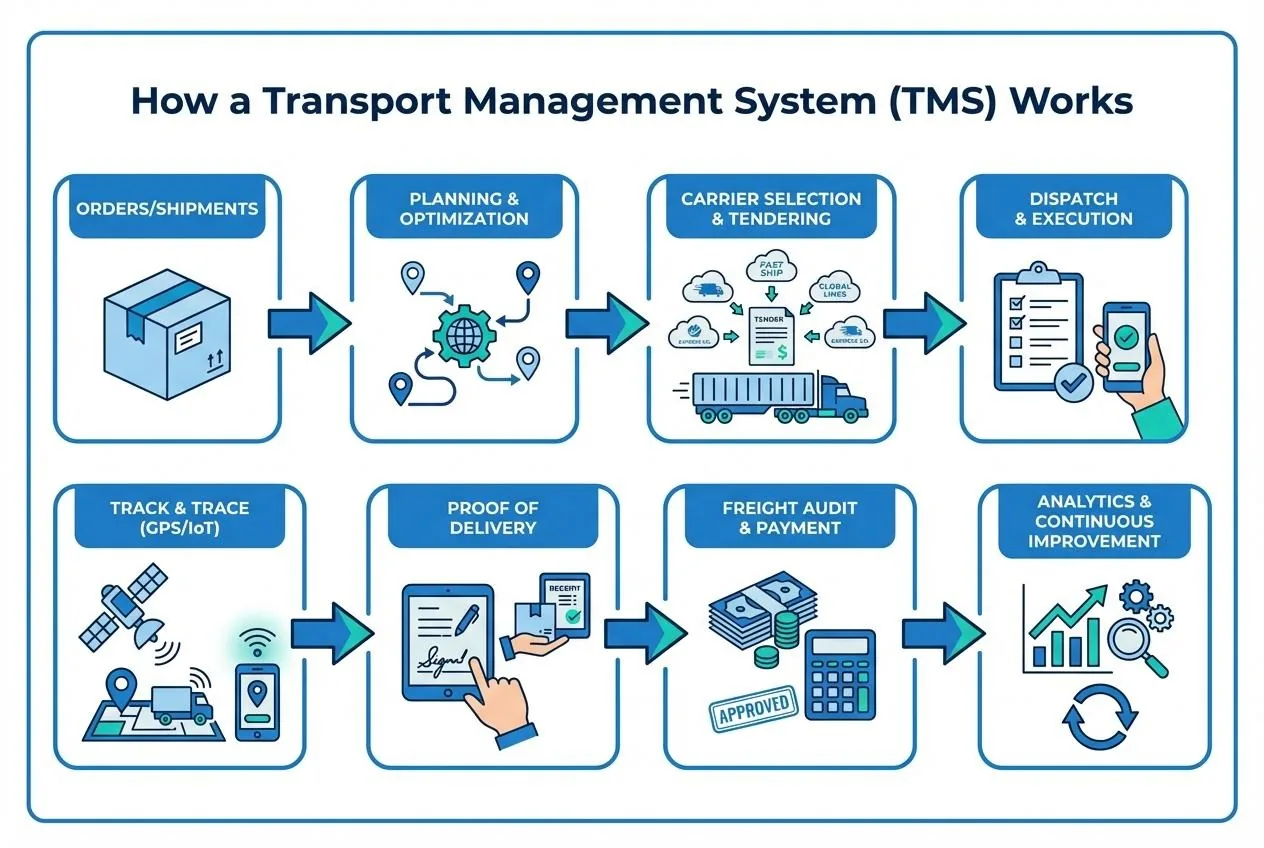
What Is a Transport Management Platform?
A transport management platform helps businesses coordinate and manage transportation activities, from arranging movements to monitoring execution and reviewing operational performance.
A traditional transportation management system (TMS) may include capabilities such as transport planning, load optimization, carrier selection, dispatch management, freight auditing, and settlement.
However, the scope of these systems varies considerably. Some focus on enterprise freight planning, while others concentrate on shipment execution, transporter coordination, or specific logistics workflows.
A transport management platform is particularly relevant to manufacturers, distributors, and logistics providers that need to coordinate consignments, transport partners, dispatch activities, and delivery information.
Shipping management software vs. transport management platform
Although these terms overlap, their typical areas of emphasis can differ.
These are general distinctions, not strict industry-wide boundaries. Many modern platforms combine shipping and transport management capabilities.
For businesses managing both parcel shipments and larger freight movements, the most suitable solution may be one that connects relevant workflows rather than forcing teams to manage each activity independently.
- Primary focus | Managing shipping and fulfillment activities | Coordinating transportation operations
- Typical workflows | Shipment creation, carrier booking, tracking | Dispatch, transport execution, movement coordination
- Logistics partners | Often focused on courier and parcel carriers | May include transporters, freight carriers, and logistics providers
- Financial workflows | May include shipping charge checks | May include freight audit and settlement
- Advanced planning | Depends on the product | May include route, load, and capacity planning
Example
A logistics company may need a custom dashboard to track shipments in real time, automate updates, and integrate with multiple carriers.
Benefits of a Unified Shipping and Transport Management Platform
A unified platform brings relevant shipping and transportation workflows into a common operational environment. When the required integrations and features are available, it can provide several benefits.
1. Centralized access to shipment information
Instead of searching through multiple portals, employees can review available shipment information from a common interface.
This can simplify routine tracking and reduce the effort required to collect updates from different logistics partners.
2. Reduced manual coordination
Structured workflows and integrations can reduce repetitive data entry, manual status checks, and routine follow-ups.
The extent of automation depends on the platform's capabilities and the systems connected to it.
3. Improved shipment monitoring
A consolidated view of tracking information can help teams identify exceptions and prioritize shipments that require follow-up.
This supports more organized operational coordination without guaranteeing that every delay can be prevented.
4. Better freight cost visibility
Connecting shipment records with freight and billing information can make it easier to review logistics expenditure and investigate potential discrepancies.
Businesses can use this information to improve cost control and evaluate whether their current logistics arrangements meet their requirements.
5. More consistent reporting
When shipment data is available in a common system, businesses can more easily consolidate operational information and prepare reports.
This can support decisions about logistics partners, shipment volumes, service performance, and areas where manual work can be reduced.
6. A more scalable operating model
As shipment volumes and logistics partners increase, disconnected workflows can become more difficult to manage.
A unified platform provides a foundation for standardizing processes and extending integrations as operational needs evolve.
7. Better coordination across business functions
Shipping involves more than the logistics team. Finance, warehouse operations, customer support, procurement, and management may all need access to different parts of the shipping workflow.
Centralized information can improve coordination between these functions, subject to appropriate access controls and system integrations.
How to Choose the Right Shipping Management Software
Choosing shipping management software requires more than comparing feature lists. The right solution should address the operational challenges your business actually faces.
Before selecting a platform, consider the following factors.
Carrier and transporter integrations
Check whether the platform supports the courier companies, transporters, and logistics providers your business uses.
Understand what each integration supports, including booking, tracking, status updates, and shipment documentation. An integration that provides tracking may not necessarily support shipment creation or billing.
Shipment visibility
Evaluate whether the platform can consolidate tracking information from your relevant logistics partners and how it handles missing updates, delayed events, and inconsistent status formats.
Freight invoice reconciliation
If freight costs are a major concern, examine whether the platform supports rate comparisons, invoice matching, discrepancy identification, and reconciliation reports.
Fit with your transport operations
A business managing parcel deliveries may have different requirements from a manufacturer coordinating full-truckload or part-truckload movements.
Identify whether you need courier management, transporter coordination, consignment documentation, dispatch workflows, or more advanced transport planning.
Reporting and operational insights
Check whether the available reports answer practical questions about shipment progress, delivery performance, freight expenditure, and logistics partner performance.
Integration with existing systems
Consider how the platform will work with your existing ERP, warehouse management system, order management software, accounting system, or other business applications.
Scalability and cost
Evaluate implementation effort, subscription costs, integration requirements, support, and the ability to accommodate future shipment volumes.
A platform should be assessed not only on its purchase price but also on the operational effort it can realistically save and the workflows it can improve.
How PTL Helps Simplify Shipping and Transport Operations
For businesses that want to reduce fragmentation across their logistics workflows, the LMS (Logistics Management System) is designed to bring important shipping and transport activities together in one place.
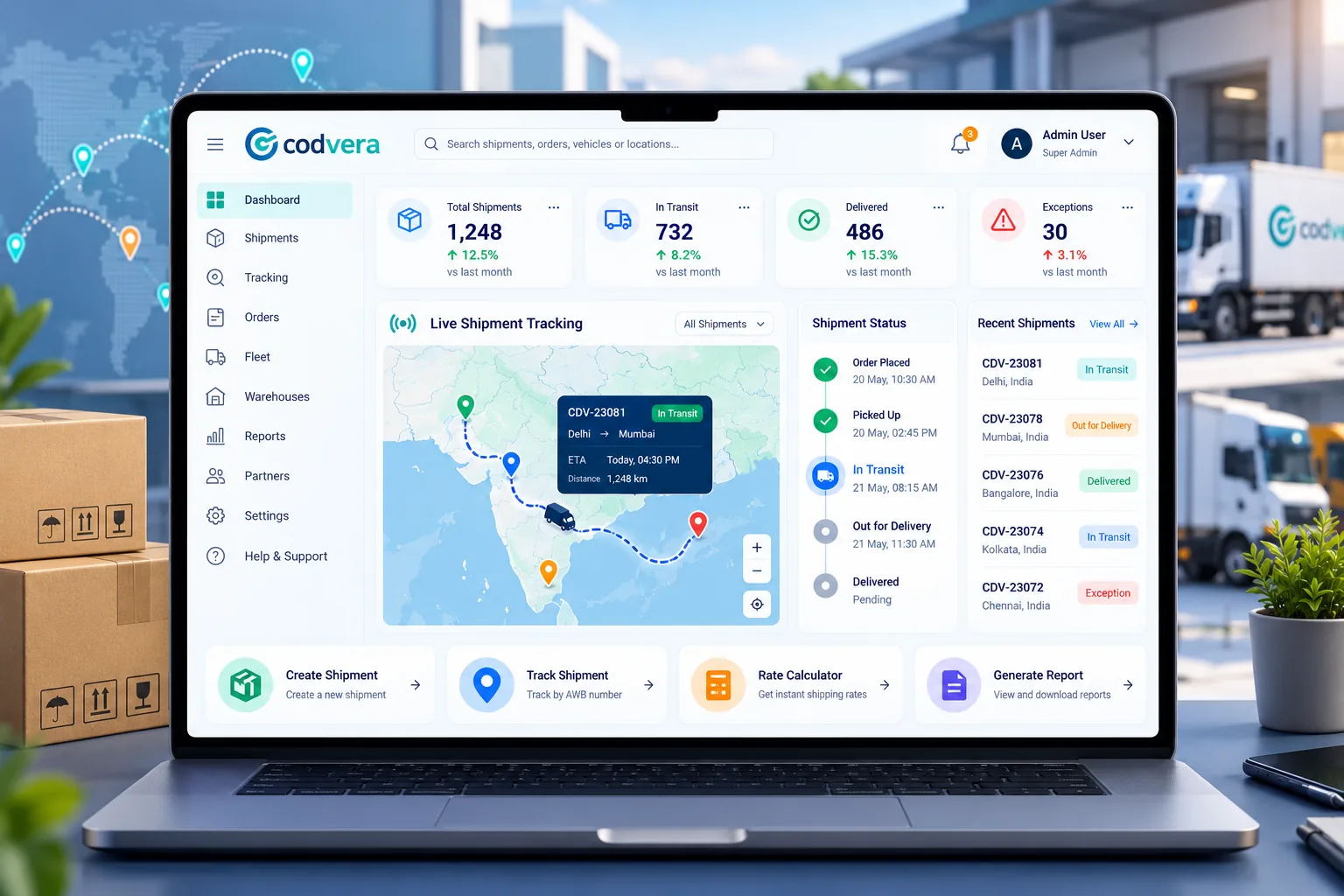
Rather than requiring teams to treat shipment tracking, transport operations, and freight-related processes as entirely separate activities, PTL aims to provide a more connected environment for managing logistics operations.
Multi-carrier shipment management
Businesses that work with multiple courier partners need a practical way to manage shipments and review tracking information across their logistics network.
PTL's multi-courier approach is intended to help businesses manage shipment activity and tracking across supported courier partners through a centralized platform.
The availability of individual booking, tracking, and status features depends on the relevant courier integrations.
Centralized shipment tracking
Checking shipment progress across different providers can create unnecessary administrative work.
PTL is designed to bring shipment tracking information together so that businesses can monitor shipments without relying entirely on separate provider portals.
This can help operations teams review shipment progress and coordinate follow-ups more efficiently.
Freight invoice reconciliation
Freight billing is another area where disconnected processes can create additional work.
PTL includes invoice reconciliation as part of its shipping and logistics offering, helping businesses manage the process of reviewing shipping-related charges and identifying discrepancies.
The specific reconciliation workflow depends on the billing information, rate data, and supporting records available.
Transport and logistics workflows
For businesses working with transporters and logistics service providers, digital tools can help organize transport-related operations and reduce dependence on disconnected manual processes.
PTL's broader logistics offering is intended to support transport operations alongside shipping and tracking activities, helping businesses work toward a more connected operational model.
One platform for connected operations
The central idea behind PTL is straightforward: businesses should be able to manage their relevant shipping and transport workflows in a more connected way instead of repeatedly moving between systems for everyday operational tasks.
For manufacturers, distributors, e-commerce sellers, SMEs, and logistics providers, the value of such a platform depends on how well its capabilities fit their actual workflows and logistics partners.
Businesses considering PTL should evaluate the supported integrations and available modules against their requirements to determine the right implementation approach.
Conclusion
Managing shipping operations through disconnected courier portals, transporter systems, spreadsheets, and manual billing processes can become increasingly difficult as a business grows.
Shipping management software and transport management platforms offer a way to organize these workflows, improve access to shipment information, and reduce repetitive coordination. Their value depends on the capabilities they provide, the logistics partners they support, and how effectively they integrate with existing business processes.
For businesses managing multiple shipping and transport workflows, a unified platform can provide a more structured approach to shipment visibility, operational coordination, and freight cost management.
LMS (Logistics Management System) aims to support this approach by bringing multi-carrier shipment management, tracking, invoice reconciliation, and transport-related workflows into a more connected environment.
The objective is to help businesses spend less time navigating disconnected systems and more time managing their logistics operations effectively.
If your business is looking for a more connected way to manage shipping and transportation, explore the LMS (Logistics Management System) to see whether its available capabilities align with your operational requirements.